24 Hours Emergency Service

A heating system rarely quits at a convenient time. It goes down on a cold night, before opening your business, or right when the house finally starts to feel comfortable. That is why arlington emergency heating service matters – not just as a fast repair, but as a way to protect your safety, your equipment, and your peace of mind when the system stops doing its job.

When the heat fails, most people ask the same question first: Is this really an emergency, or can it wait until morning? The answer depends on the conditions inside the building, the people depending on that heat, and what your system is doing or not doing. Some problems are uncomfortable. Others can become expensive or unsafe if they are ignored.

When arlington emergency heating service is the right call

If your furnace or heat pump stops producing heat during cold weather, that is the obvious situation. But a full shutdown is not the only reason to call for emergency service. A system that keeps tripping the breaker, makes loud banging sounds, gives off a burning smell, or short cycles every few minutes can signal a problem that needs immediate attention.

Safety is the deciding factor in many cases. If you suspect a gas smell, have concerns about carbon monoxide, or notice unusual furnace behavior along with headaches, dizziness, or nausea in the building, do not wait. Turn the system off, leave the space if needed, and treat the problem as urgent.

For businesses, the standard is even higher. A restaurant, office, retail store, or small facility may not be able to operate normally if indoor temperatures drop too far. Emergency heating service is not only about comfort. It can help prevent downtime, protect employees and customers, and keep operations on track.

What usually causes an emergency heating breakdown

Heating systems usually give warnings before they fail completely, but those warnings are easy to miss when life is busy. Dirty filters, worn igniters, failing blower motors, weak capacitors, thermostat problems, and flame sensor issues are common culprits. In heat pump systems, defrost control issues or low refrigerant can also cause major performance problems.

Sometimes the issue is mechanical wear. Sometimes it is a maintenance problem that built up over time. And sometimes a system is simply at the end of its service life and cannot hold up under colder weather demand.

This is where honest diagnosis matters. A rushed contractor may throw a temporary fix at the unit just to get it running for the moment. That can leave you with the same failure a few days later. A better approach is to identify what failed, what contributed to the failure, and whether the repair makes practical sense for the age and condition of the equipment.

What to expect from a quality emergency heating visit

Good emergency service should feel calm and organized, not chaotic. The technician should start by listening to what happened, inspecting the system, and checking the parts and controls that affect safe operation. If there is a safety issue, that should be addressed first. If the problem is repairable on the spot, you should get a clear explanation of what failed and what it takes to restore heat.

You should also expect straightforward communication. That means no vague language, no pressure, and no jumping straight to replacement unless the condition of the system truly calls for it. In many cases, an emergency repair is absolutely the right move. In others, especially with an older furnace facing a major component failure, replacement may be the smarter financial decision. It depends on repair cost, equipment age, efficiency, and how often the system has been breaking down.

A trustworthy company will explain those trade-offs clearly. That is what helps customers make good decisions under pressure.

Fast service matters, but accuracy matters more

It is easy to focus only on speed when the house is cold or the building is uncomfortable. Fast response is important, but speed without proper diagnosis can create a second problem. The goal is not just to get warm air blowing again for one night. The goal is to fix the issue correctly so the system can operate reliably after the emergency is over.

That is especially important with gas furnaces, electrical faults, and repeated shutdowns. Heating equipment has safety controls for a reason. If those controls are being triggered, the cause needs to be understood, not bypassed.

What you can check before calling for emergency heating service

Not every no-heat call turns into a major repair. A few basic checks can save time and may even solve the issue. Make sure the thermostat is set to heat and the temperature is set above room temperature. Check the breaker panel. Look at the air filter if it is accessible and visibly clogged. For a gas furnace, make sure the unit has power and that the shutoff has not been bumped.

If your system still will not run, or if it starts and stops abnormally, that is the point where a professional should take over. The line between a simple reset and a real heating problem can be thin, and guessing wrong can make things worse.

The cost question everyone asks

Emergency service costs more than scheduled service in many situations, and that is understandable. The bigger question is whether delaying the call will cost even more. In plenty of cases, it does.

A struggling blower motor can fail completely if forced to keep running. Restricted airflow can overheat a furnace and stress multiple components. A small issue caught early may be a repair. The same issue after another week of operation may become a larger breakdown.

There is also the cost of comfort and disruption. For families, that may mean a long night in a cold home. For business owners, it can mean lost productivity, unhappy customers, or the need to close temporarily. Emergency heating service has a price, but so does waiting too long.

How emergency heating service helps older systems

Many homes and commercial spaces in the area still rely on aging furnaces and heat pumps. Older equipment can often be repaired, but the conversation should be honest. If a system has become unreliable, if parts are harder to source, or if repair costs keep stacking up, the right answer may no longer be another patch.

That does not mean every emergency call should turn into a sales pitch. It means the technician should give you a realistic view of what the equipment can still deliver. If a repair will buy solid performance at a reasonable cost, that is worth knowing. If the system is likely to keep failing, that is worth knowing too.

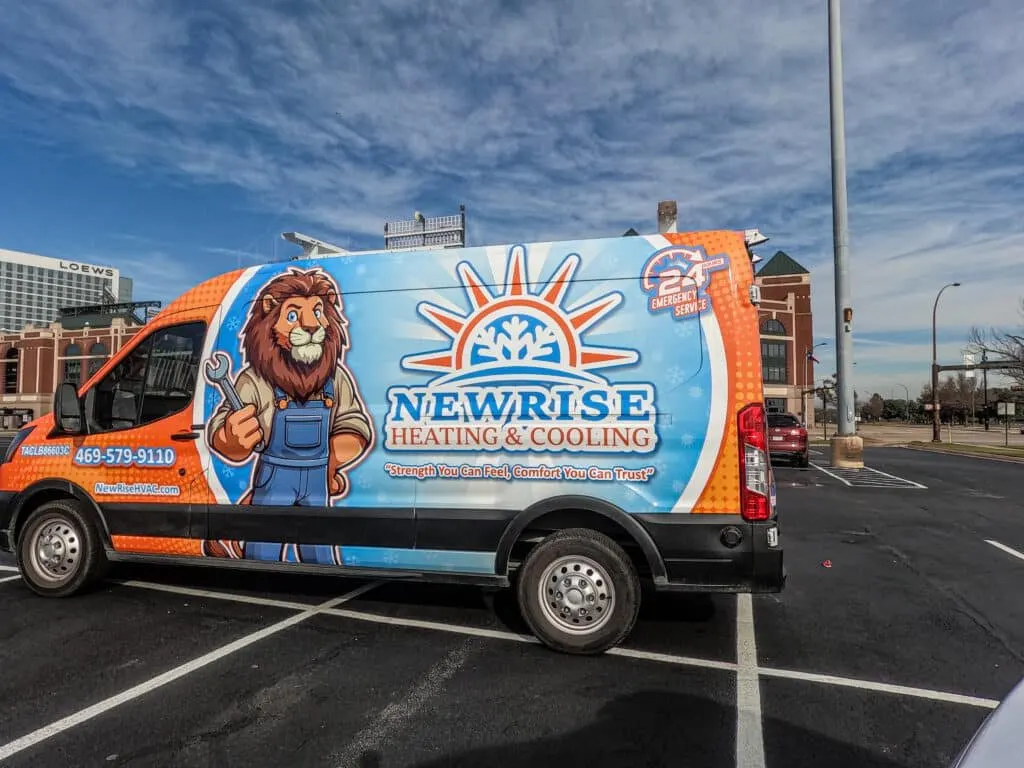
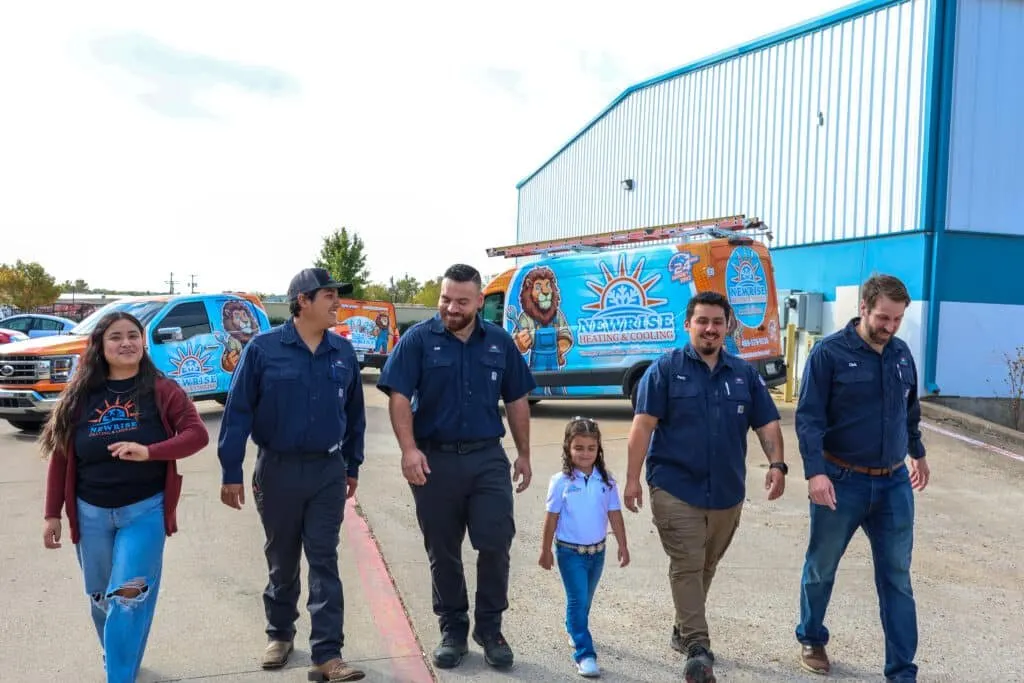
A family-owned company like NewRise Heating & Cooling understands why that distinction matters. People do not want unnecessary upsells. They want heat restored and a straight answer about what comes next.

Preventing the next heating emergency

The best emergency repair is the one you never need. Most serious winter breakdowns start as smaller performance problems in the fall or early heating season. Weak airflow, uneven temperatures, unusual noises, rising energy bills, and delayed startup are all signs your system needs attention before it quits altogether.

Preventive maintenance helps catch those issues while you still have options. It gives technicians time to clean components, test controls, inspect heat exchangers, check electrical connections, and identify wear before cold weather puts the system under heavier demand. For both homeowners and business owners, that is often the difference between a planned repair and an after-hours emergency.

There is no way to eliminate every surprise. Parts can fail suddenly, and older equipment can be unpredictable. But regular maintenance, clean filters, and prompt attention to warning signs can reduce the chances significantly.

Choosing the right arlington emergency heating service provider

When you need help fast, reputation matters. So does how a company communicates when the pressure is on. You want a provider that shows up prepared, explains the problem clearly, respects your property, and focuses on getting the repair right the first time.

That means looking beyond marketing claims. Reliable emergency service should come with professional diagnosis, honest recommendations, and workmanship that holds up after the immediate crisis passes. If a company treats every emergency call as a chance to push equipment you do not need, that is not service. If they cut corners just to move to the next call, that is not much better.

The right team understands the job is not finished when the heat comes back on. It is finished when you know what failed, what was repaired, and what to expect from your system moving forward.

A cold building changes the mood fast. Good emergency heating service changes it back. When the response is quick, the diagnosis is accurate, and the communication is honest, you are not just getting a repair – you are getting confidence that the problem was handled the way it should be.